
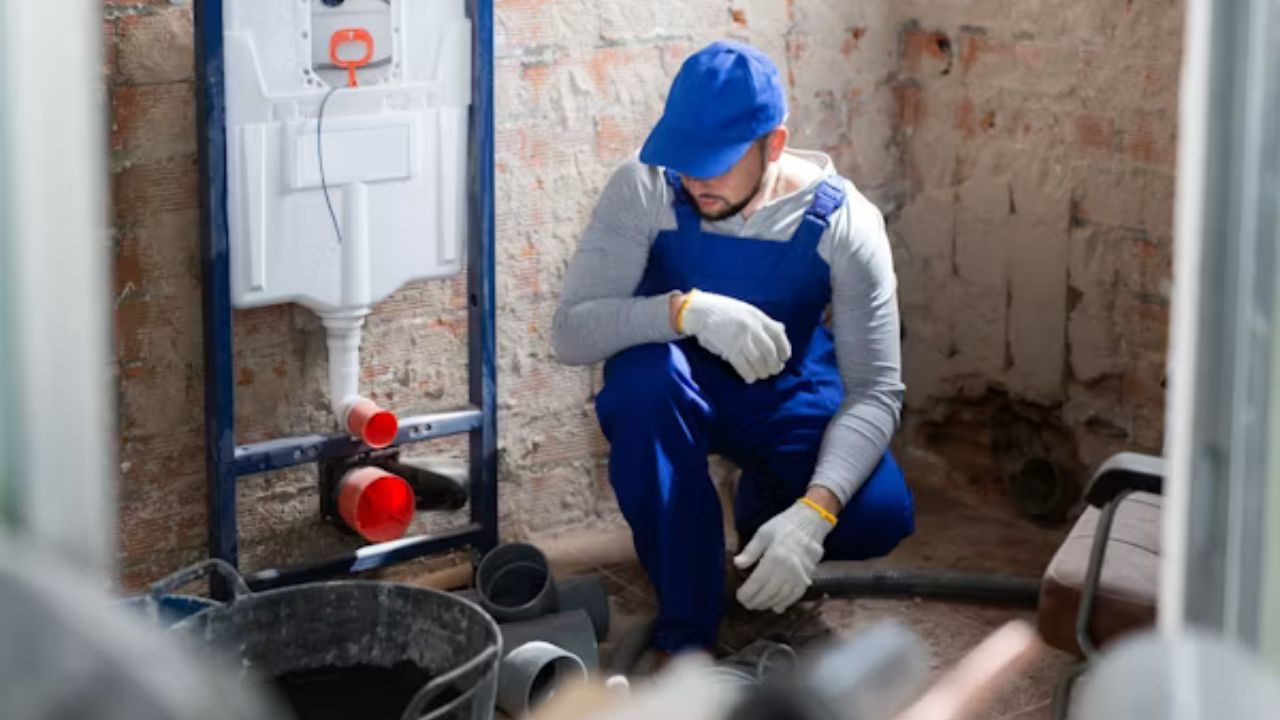
A bathroom remodel can look simple on paper—until you decide the toilet, shower, or vanity would work better somewhere else. If you’re wondering how much to move plumbing in bathroom, the answer depends heavily on what you’re moving, how far it needs to go, and what’s underneath your floor.
In many projects, moving water lines is relatively straightforward. Drain and waste lines can be more complicated because they need proper slope, venting, and connections to the existing drainage system. Understanding these differences can help you build a more realistic renovation budget before demolition begins.
How Much to Move Plumbing in Bathroom on Average?
For a typical bathroom remodel, relocating plumbing can cost roughly $500 to $5,000 or more, depending on the number of fixtures and the complexity of the work. A small sink relocation may remain near the lower end, while moving a toilet, shower, and vanity across the room can push the project considerably higher.
As a general planning range, homeowners may encounter costs such as:
- Sink or vanity: $300–$1,500
- Toilet: $500–$2,500
- Shower: $700–$2,500+
- Bathtub: $700–$3,000+
- Multiple fixtures: $2,000–$5,000+
These are broad estimates rather than fixed quotes. Labor rates, local permit requirements, accessibility, pipe materials, and the existing plumbing layout can all change the final price.
Why Moving Bathroom Plumbing Can Be Expensive
Plumbing is hidden behind walls and beneath floors, so relocating a fixture involves much more than moving the visible sink, toilet, or shower.
A plumber may need to open walls or flooring, extend supply pipes, reroute drains, modify vents, install new fittings, test connections, and bring altered plumbing up to current local code requirements.
Drain Lines Require More Work
Water supply pipes are usually smaller and can often be rerouted relatively easily. Drainpipes are larger and rely on gravity.
They need sufficient slope so wastewater flows correctly. Moving a toilet or shower to an area where the drain cannot easily connect to the existing waste system can therefore increase labor and construction costs.
Floor Construction Matters
Your home’s construction can make a major difference.
Plumbing beneath a raised wood floor or accessible crawlspace is generally easier to reach than plumbing embedded in a concrete slab. A slab may need to be cut and later repaired before the new floor covering is installed.
Cost to Move Individual Bathroom Fixtures

When estimating how much to move plumbing in bathroom, it helps to consider each fixture separately because their plumbing requirements are different.
Moving a Bathroom Sink
A vanity or sink is often one of the easier fixtures to relocate. It typically requires hot and cold water supplies, a drain, and appropriate venting.
Keeping the new vanity on the same wall or close to the original plumbing usually helps control costs.
Moving a Toilet
Moving a toilet can become significantly more involved. Toilets use a large waste connection, and the new drain must connect correctly to the home’s existing drainage and vent system.
Relocating a toilet a few inches is very different from placing it on the opposite side of the bathroom.
Moving a Shower
Shower relocation requires both water supply and drainage changes. Depending on the design, the plumber may also need to reposition the shower valve, showerhead connection, and drain.
Changing from a bathtub to a walk-in shower can involve additional plumbing modifications.
Moving a Bathtub
A bathtub requires hot and cold supplies, a drain, overflow components, and properly positioned controls. Freestanding tubs can have different installation requirements from standard alcove tubs, so fixture choice can influence labor costs.
What Factors Affect Bathroom Plumbing Relocation Costs?
There isn’t one universal price for how much to move plumbing in bathroom because every property has a different layout. Several factors determine whether the job is relatively simple or becomes a major part of the renovation.
The biggest cost factors include:
- Distance between the old and new fixture locations
- Number of fixtures being relocated
- Accessibility beneath floors and behind walls
- Concrete slab versus raised flooring
- Existing pipe condition
- Drain and vent configuration
- Local plumber labor rates
- Permit and inspection requirements
- Required wall and floor repairs
- Choice of new bathroom fixtures
Older homes can sometimes reveal additional work after walls or flooring are opened. Corroded pipes, outdated materials, or unsuitable previous alterations may need attention before new plumbing can be connected.
Is It Cheaper to Keep Fixtures in the Same Location?
Usually, yes.
Keeping the toilet, vanity, bathtub, and shower near their existing plumbing connections can significantly reduce the amount of rerouting required. That’s why many budget-conscious bathroom renovations preserve the basic plumbing layout while changing finishes, cabinetry, fixtures, lighting, and storage.
However, maintaining the original layout isn’t always the best long-term choice. A poorly positioned toilet or cramped shower may justify additional plumbing expenses if moving it creates a much more functional bathroom.
How Much to Move Plumbing in Bathroom During a Full Remodel?
Plumbing relocation often makes more financial sense during a complete bathroom renovation because walls and floors may already be open.
If you’re replacing flooring, removing the vanity, rebuilding the shower, and opening drywall anyway, the plumber may have easier access to the existing system. That can reduce some of the additional demolition and restoration associated with a standalone plumbing relocation.
For extensive remodels, ask contractors to separate plumbing relocation from other renovation costs in their estimates. This makes it easier to understand where your budget is going.
How to Reduce the Cost of Moving Bathroom Plumbing
You don’t necessarily have to abandon your preferred layout to control expenses. Small design decisions can make a noticeable difference.
Try to keep new fixtures close to existing supply and drain lines. Moving a vanity along the same plumbing wall, for example, can be considerably simpler than transferring it across the entire room.
It’s also wise to finalize your bathroom layout before plumbing work begins. Changing fixture positions after pipes have already been installed can lead to unnecessary labor and material costs.
Another useful step is getting multiple detailed estimates from licensed plumbers or bathroom remodeling contractors. Compare the proposed scope of work—not just the final number.
Do You Need a Permit to Move Bathroom Plumbing?
Permit requirements vary by location, but significant alterations to drainage, water supply, or venting systems often require approval and inspection.
A licensed plumber familiar with local building requirements can explain which permits apply to your project. Permits shouldn’t automatically be viewed as unnecessary expenses; inspections help confirm that modified plumbing meets applicable safety and construction standards.
FAQs
How much does it cost to move bathroom plumbing a few feet?
A short relocation may cost several hundred dollars for a straightforward fixture, but drain modifications, floor construction, and accessibility can raise the total. Getting an on-site estimate provides a much more accurate figure.
Is moving a toilet more expensive than moving a sink?
Usually. A toilet requires a larger waste pipe and appropriate drainage slope, making relocation more complicated than extending the smaller supply and drain connections commonly used for a sink.
Can you move bathroom plumbing anywhere?
Not always easily. Structural framing, existing drainage, vent locations, floor depth, and required drain slope can limit where fixtures can practically be placed.
How much to move plumbing in bathroom with a concrete slab?
Slab construction can increase the cost because contractors may need to cut concrete to access or reroute drain lines. The slab must then be repaired before finished flooring is installed.
Can I move bathroom plumbing myself?
Minor plumbing work may be permitted for homeowners in some jurisdictions, but relocating major drains, toilets, vents, or concealed water lines is more complex. Professional installation can also help ensure the work meets applicable plumbing codes.
Does moving a shower drain cost more than moving water lines?
It often can. Water supply lines are relatively small and flexible in terms of routing, while shower drains require adequate diameter, proper slope, and a suitable connection to the waste system.
Should I move plumbing during a bathroom renovation?
It can be worthwhile when the existing layout is inconvenient or wastes usable space. If the current arrangement already functions well, keeping fixtures close to their existing connections is usually more economical.
How can I get an accurate plumbing relocation estimate?
Have a plumber inspect the bathroom and review your proposed floor plan. The estimate should account for fixture locations, pipe routing, demolition, permits, materials, labor, and any required wall or floor restoration.
Conclusion
Determining how much to move plumbing in bathroom comes down to more than measuring the distance between the old fixture and the new one. Drainage requirements, floor construction, access, permits, labor rates, and the number of relocated fixtures can all influence the final bill.
For a simple relocation, the added expense may be relatively manageable. Moving several fixtures—especially toilets, showers, or tubs across a concrete slab—can turn plumbing into a major part of the renovation budget. Planning the layout carefully and getting detailed professional estimates before demolition can help you create a bathroom that works better without encountering avoidable surprises.