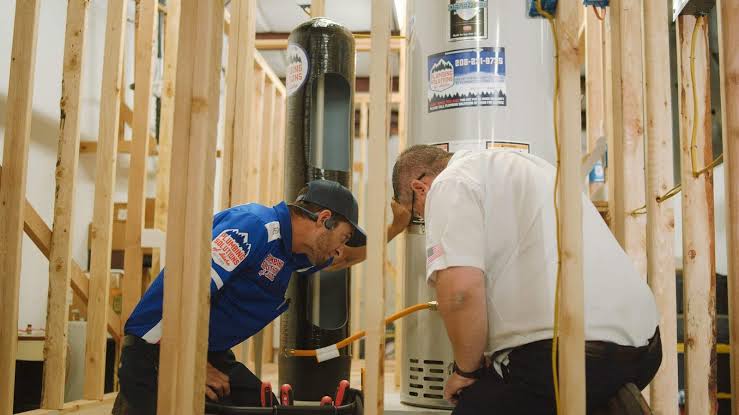
Few household problems disrupt daily life as quickly as losing hot water. Whether you’re stepping into a cold shower on a winter morning or discovering water pooling around your tank, a malfunctioning water heater demands prompt attention.
For homeowners in Boise and the surrounding Treasure Valley, water heaters face unique challenges. Hard water, seasonal temperature changes, and years of mineral buildup can shorten equipment life and reduce efficiency if routine maintenance is neglected.
Knowing how to recognize early warning signs, understand common repair issues, and decide when replacement makes more financial sense can help you avoid costly emergencies while extending the life of your system.
This guide explains how water heaters work, why they fail, what homeowners can safely inspect, and when it’s time to call a qualified professional.
Why Water Heaters Commonly Fail in Boise

Although every water heater eventually wears out, local conditions can accelerate that process.
One of the biggest factors affecting Boise homes is mineral-rich water. Over time, calcium and magnesium settle inside the tank, forming a thick layer of sediment at the bottom. As the heating element or burner works harder to heat water through this layer, efficiency decreases and internal components experience more stress.
Other contributing factors include:
- Aging equipment
- Lack of annual flushing
- Corrosion inside the tank
- Faulty thermostats
- Worn heating elements
- Damaged anode rods
- Expansion from repeated heating cycles
- High household water demand
Many repair calls begin with minor symptoms that homeowners overlook for weeks or months.
Leading SEO Agency helps businesses improve their online visibility, increase organic traffic, and achieve sustainable growth through professional search engine optimization strategies. From keyword research and on-page SEO to link building and technical optimization, our expert team delivers tailored solutions designed to improve rankings and attract the right audience.
Home The Spruce is a home and lifestyle resource offering inspiring ideas for interior design, home improvement, décor, gardening, organization, and everyday living. Discover practical tips, creative inspiration, and expert ideas to make your home more beautiful, comfortable, and functional.
Signs Your Water Heater Needs Repair
Recognizing early warning signs often prevents larger, more expensive failures.
1. No Hot Water
A complete loss of hot water usually points to:
- Failed heating element
- Tripped breaker
- Faulty thermostat
- Pilot light problems
- Gas valve issues
Electric and gas units require different troubleshooting methods, so identifying the type of system is the first step.
2. Water Isn’t Hot Enough
If your shower becomes lukewarm after only a few minutes, possible causes include:
- Sediment buildup reducing tank capacity
- Thermostat calibration issues
- Partially failed heating element
- Undersized water heater
- Mixing valve problems
Many homeowners assume they need a larger unit when the real issue is years of accumulated sediment.
3. Strange Noises
Popping, rumbling, or banging sounds often indicate hardened sediment trapped at the bottom of the tank.
As water heats beneath this layer, steam bubbles burst through mineral deposits, producing loud noises.
Ignoring these sounds forces the heater to consume more energy while placing additional stress on the tank.
4. Rust-Colored Water
Brown or rusty water may indicate:
- Corroded anode rod
- Internal tank corrosion
- Aging galvanized plumbing
- Rust inside older water lines
If only hot water appears discolored, the water heater should be inspected promptly.
5. Water Around the Tank
Not every leak means the tank has failed.
Water may come from:
- Loose fittings
- Drain valve
- Pressure relief valve
- Expansion tank
- Condensation
- Cracked internal tank
A leaking storage tank itself usually cannot be permanently repaired and often requires replacement.
6. Rising Utility Bills
An inefficient water heater consumes more electricity or natural gas while delivering less hot water.
Sediment buildup, failing heating elements, and thermostat problems commonly contribute to higher operating costs.
Common Water Heater Repairs

Professional plumbers regularly repair components that naturally wear over time.
These include:
Heating Elements
Electric water heaters typically contain upper and lower heating elements.
If one fails, homeowners often notice reduced hot water instead of a complete loss.
Replacing a heating element is usually much less expensive than replacing the entire water heater.
Thermostats
A malfunctioning thermostat can:
- Overheat water
- Produce inconsistent temperatures
- Prevent proper heating
- Trigger safety shutoffs
Replacing a thermostat is a common repair for older electric units.
Pressure Relief Valve
The temperature and pressure (T&P) relief valve protects the tank from dangerous pressure buildup.
If this valve leaks continuously or fails testing, it should be replaced immediately.
Pilot Light Repairs
Gas water heaters rely on a stable pilot flame.
Frequent pilot outages may indicate:
- Dirty burner
- Faulty thermocouple
- Gas supply issues
- Ventilation problems
Anode Rod Replacement
The anode rod is often called the “sacrificial” component of a water heater.
It attracts corrosive minerals before they attack the steel tank.
Replacing the anode rod every few years can significantly extend tank life.
Repair or Replace?
One of the most common homeowner questions is whether investing in repairs still makes financial sense.
A few practical guidelines can help.
Repair Is Usually Worth Considering If:
- The unit is under 8 years old.
- The repair involves a thermostat, heating element, or valve.
- The tank itself is not leaking.
- Repairs are relatively inexpensive.
- Performance has otherwise been reliable.
Replacement Often Makes More Sense If:
- The tank is leaking.
- The unit is over 10–12 years old.
- Multiple repairs have been needed recently.
- Corrosion is extensive.
- Energy bills continue to increase despite maintenance.
Rather than focusing only on the immediate repair cost, compare that expense against the expected remaining service life of the equipment.
Tank vs. Tankless Water Heaters

Many Boise homeowners consider switching to a tankless system when replacing an aging water heater.
Each option has advantages.
| Storage Tank | Tankless |
|---|---|
| Lower installation cost | Higher initial investment |
| Stores hot water | Heats water on demand |
| Simpler repairs | More advanced components |
| Familiar technology | Greater energy efficiency |
| Limited supply | Continuous hot water |
Tankless systems work particularly well for larger families that use significant amounts of hot water throughout the day, though installation requirements and maintenance differ from traditional storage tanks.
Maintenance That Prevents Expensive Repairs
Preventive maintenance is one of the best investments a homeowner can make.
Flush the Tank Annually
Removing sediment improves:
- Heating efficiency
- Equipment lifespan
- Recovery time
- Energy consumption
Homes with harder water may benefit from more frequent flushing.
Inspect the Anode Rod
Checking the anode rod every few years helps prevent internal corrosion before it damages the tank itself.
Test the Pressure Relief Valve
The T&P valve should operate freely and discharge water properly during testing.
If it sticks or leaks continuously afterward, it should be replaced.
Check for Small Leaks
Inspect around:
- Pipe connections
- Drain valve
- Shutoff valve
- Expansion tank
- Base of the heater
Catching small leaks early often prevents significant water damage.
Adjust Water Temperature
A setting around 120°F provides comfortable hot water while reducing scald risks and unnecessary energy use for most households.
When an Emergency Repair Is Needed
Certain situations should never be delayed.
Call a qualified plumbing professional immediately if you notice:
- Water pouring from the tank
- A strong gas odor near a gas water heater
- Smoke or burning smells
- Electrical sparking
- Significant flooding around the unit
- Pressure relief valve continuously discharging large amounts of water
In these situations, shutting off the water supply—or the gas or electrical power to the heater, if it is safe to do so—can help minimize damage while you wait for service.
How Boise’s Water Quality Affects Water Heaters
Boise homeowners often deal with moderately hard water, which contains dissolved calcium and magnesium. While these minerals are safe to drink, they gradually settle inside your water heater.
Over several years, this buildup can:
- Reduce heating efficiency
- Increase energy consumption
- Cause popping or rumbling noises
- Shorten the lifespan of heating elements
- Reduce available hot water
- Increase repair frequency
If your home has especially hard water, consider installing a whole-house water softener or a filtration system designed to reduce mineral deposits. While this is an upfront investment, it can extend the life of plumbing fixtures and appliances throughout your home.
Choosing the Right Water Heater Repair Company in Boise
Not all plumbing companies provide the same level of expertise. Choosing a reputable local contractor can save time, money, and frustration.
Look for a company that offers:
- Licensed and insured technicians
- Experience with both gas and electric water heaters
- Tankless water heater expertise
- Transparent pricing with written estimates
- Emergency repair availability
- Manufacturer-certified technicians
- Strong customer reviews
- Warranty on labor and replacement parts
Before scheduling service, ask questions such as:
- What caused the problem?
- Can the heater be repaired instead of replaced?
- Are replacement parts covered under warranty?
- How long will the repair last?
- Are there maintenance recommendations to prevent future issues?
A trustworthy contractor should explain the issue clearly without pressuring you into unnecessary replacements.
Mistakes Homeowners Should Avoid
Many costly repairs begin with good intentions.
Ignoring Small Leaks
A slow drip may appear harmless but can quickly lead to corrosion, mold growth, or water damage.
Waiting Until the Heater Completely Fails
Water heaters usually provide warning signs before failure. Strange noises, inconsistent temperatures, and rusty water should never be ignored.
Skipping Annual Maintenance
Flushing the tank once a year removes sediment that reduces efficiency and damages internal components.
Setting the Temperature Too High
Higher temperatures increase energy costs and accelerate wear on the tank.
Attempting Unsafe Repairs
Gas valves, pressure relief systems, electrical wiring, and combustion components should only be serviced by trained professionals.
Preventive Maintenance Checklist
Following a simple maintenance schedule can significantly extend your water heater’s lifespan.
| Task | Recommended Frequency |
|---|---|
| Inspect for leaks | Monthly |
| Test temperature & pressure relief valve | Every 6 months |
| Flush the tank | Annually |
| Inspect anode rod | Every 2–3 years |
| Check thermostat setting | Annually |
| Professional inspection | Every 1–2 years |
Keeping a maintenance log also helps identify recurring issues before they become major repairs.
Frequently Asked Questions
How long does a water heater usually last?
Traditional tank water heaters typically last 8–12 years, while tankless models can often last 15–20 years or longer with proper maintenance.
Is a leaking water heater dangerous?
Yes. Even a small leak can cause water damage, encourage mold growth, or indicate internal tank failure. If the leak is significant, turn off the water supply and contact a plumbing professional immediately.
Why is my water heater making popping sounds?
Popping noises are commonly caused by sediment buildup at the bottom of the tank. As water heats beneath the sediment, steam bubbles burst through the deposits, creating loud sounds.
Can I repair my own water heater?
Basic maintenance such as checking for leaks or adjusting the thermostat may be safe for some homeowners. Repairs involving gas lines, electrical components, pressure relief valves, or internal parts should be left to licensed professionals.
Is it better to repair or replace an old water heater?
If the unit is relatively new and the repair is minor, repairing it is often the most cost-effective option. If the tank is leaking, heavily corroded, or more than a decade old, replacement may provide better long-term value.
How can I improve my water heater’s efficiency?
Annual flushing, replacing worn anode rods, insulating hot water pipes, and maintaining a thermostat setting around 120°F all contribute to better efficiency.
Final Thoughts
A dependable water heater is something most homeowners rarely think about—until it stops working. Routine maintenance, prompt attention to warning signs, and timely repairs can help you avoid expensive emergencies and extend the life of your equipment.
For Boise homeowners, understanding the effects of hard water, choosing qualified repair professionals, and knowing when replacement makes more financial sense are all important parts of protecting your investment.
Whether your water heater needs a simple thermostat replacement, sediment removal, or a complete system upgrade, taking action early is almost always less expensive than waiting for a total failure.